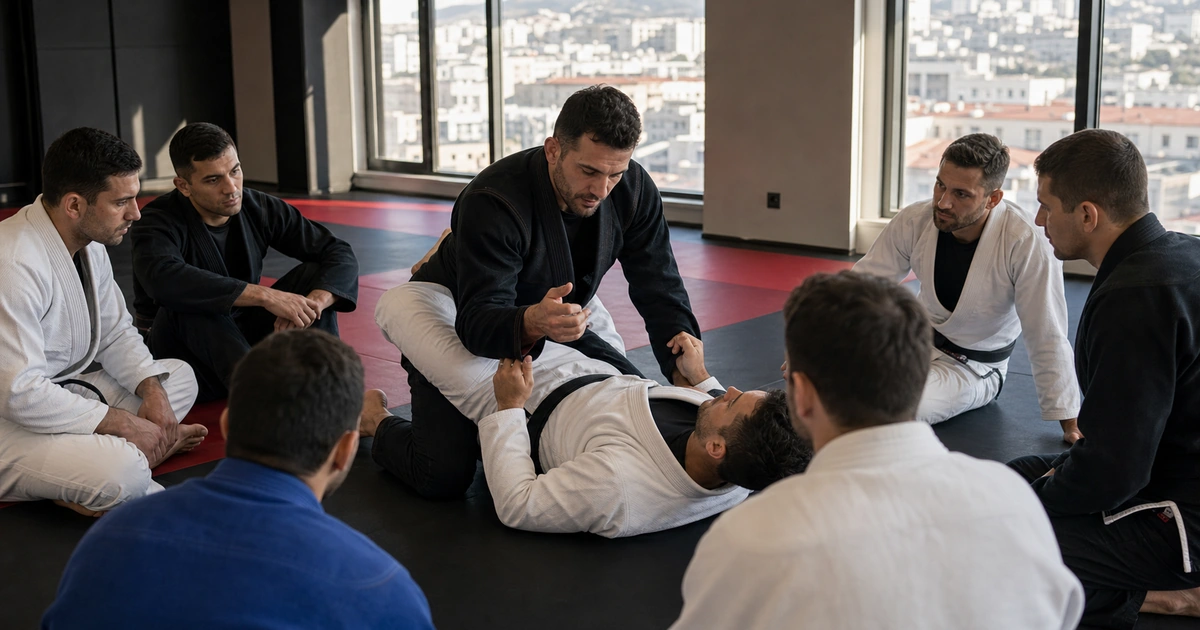
Coach Evidence Guide
BJJ Camp Georgia Coach Profiles: What Is Verified
Distinguish archive coach-profile labels and an official athlete record from a confirmed date-specific coaching lineup, role, credential, or timetable.
Commercial planning guide. This site is not live inventory, a date-specific timetable, or a written offer. Confirm operational and commercial details before payment or travel.
Quick answer
The landing page contains archive profiles naming Pavel Zaitsev, Tornike Jugeli, Vano Churchkhelashvili, Davit Khutsishvili, and Giorgi Ochigava. Those profiles do not confirm current roles, credentials, attendance, or dates.
An official UWW profile supports Davit Khutsishvili’s athlete identity and record only; it does not establish a BJJ Camp Georgia coaching role or attendance.
Profile status
Archive, not a current lineup
Roles and attendance
Require written confirmation
Davit Khutsishvili
Official UWW athlete record linked
Date-specific program
Requires a written timetable
What the archive coach section establishes
The public landing page preserves an archive set of coach names, images, and role descriptions for planning context.
That first-party material is not an independent credential source and does not prove a current contract, lineup, schedule, or appearance.
If a specific person or discipline matters, obtain the date-specific lineup, role, source, session assignment, and substitution terms in writing.
Pavel Zaitsev archive profile
The archive landing page associates Pavel Zaitsev with BJJ, grappling, No-Gi, and leg-lock language.
No durable public primary source reviewed for this audit independently verifies those credentials, a current camp role, or attendance.
Request a current credential source and written date-specific confirmation before booking around this profile.
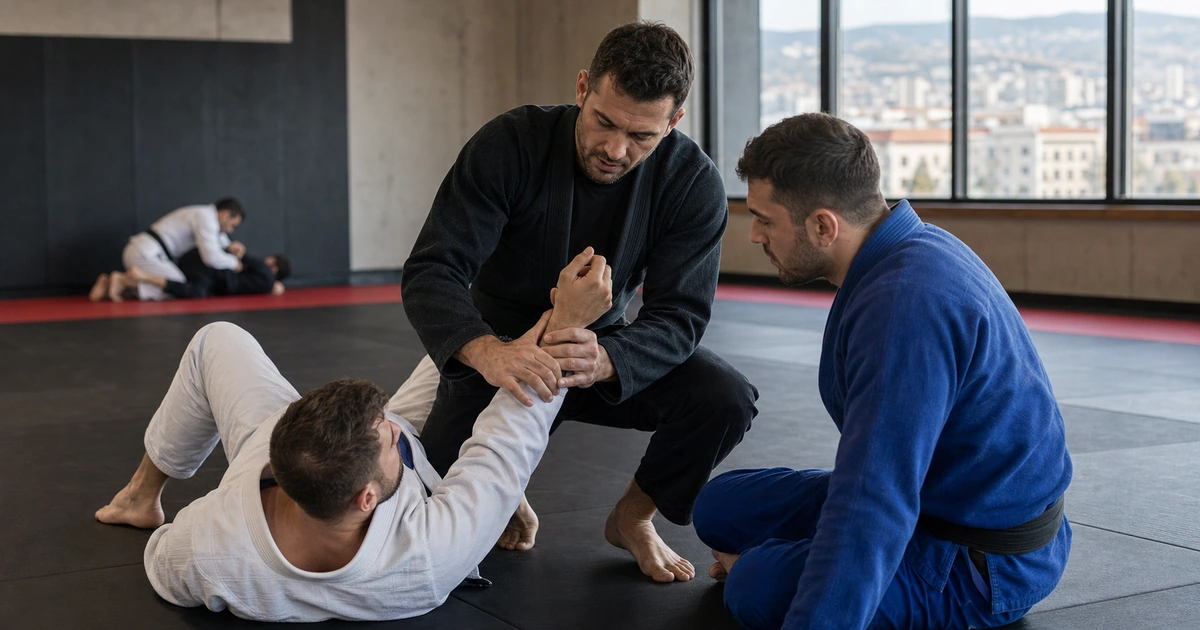
Tornike Jugeli and Vano Churchkhelashvili archive profiles
The archive landing page associates Tornike Jugeli with judo and conditioning language and Vano Churchkhelashvili with judo and sambo language.
No durable public primary source reviewed for this audit independently verifies those credentials, current roles, or attendance.
Request credential sources and the written timetable; do not infer a judo or sambo session or any skill outcome from the archive labels.
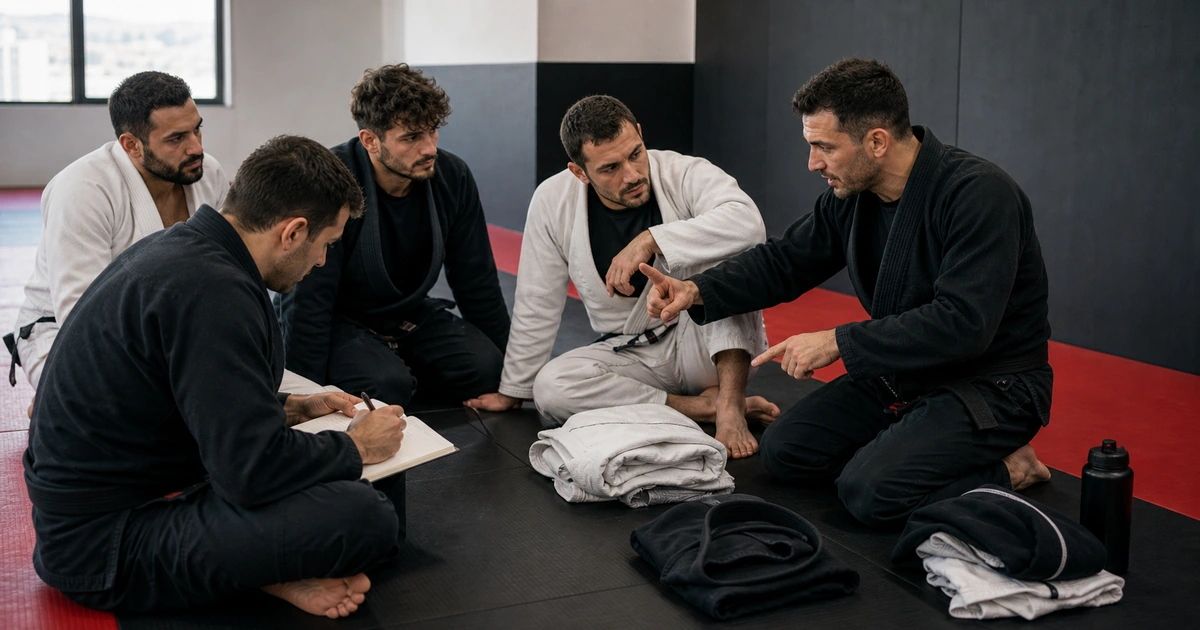
Davit Khutsishvili: official athlete record, unconfirmed camp role
United World Wrestling publishes an official athlete profile for Davit Khutsishvili; that source is linked below.
The official athlete record does not establish that he currently coaches at BJJ Camp Georgia or will attend particular dates.
Request written role, attendance, timetable, and substitution confirmation before booking around his name.
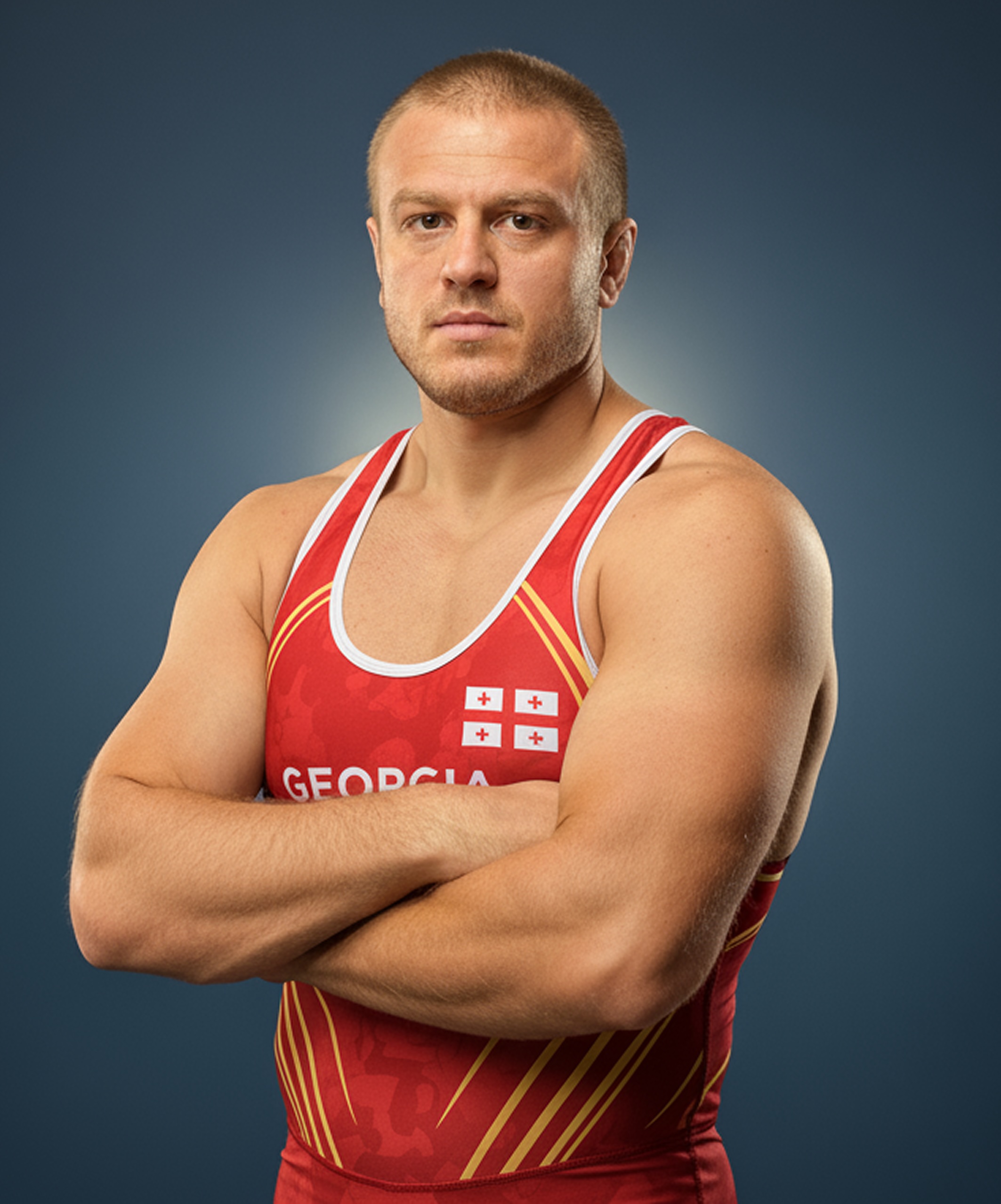
Giorgi Ochigava archive profile
The archive landing page associates Giorgi Ochigava with conditioning language.
No durable public primary source reviewed for this audit independently verifies that credential, a current camp role, or attendance.
Request a current credential source and written timetable; make training-load decisions using appropriate professional advice.
How to evaluate a proposed cross-training plan
Send your level, goals, injuries, and constraints, then ask which disciplines, coaches, partners, and session intensities are actually proposed.
Assess the written plan against your needs rather than assuming a transfer benefit from a discipline label.
No specific content, volume, individualized feedback, partner level, or outcome is guaranteed by this article.
Sources and claim scope
Sources support only the scope stated below. First-party planning pages are not independent proof of availability, attendance, package delivery, or outcomes.
- BJJ Camp Georgia archive coach profiles
Archive profile references only; they do not prove a current lineup, role, credential, or attendance.
- Davit Khutsishvili official UWW athlete record
Primary source for the athlete record only; it does not prove a current camp coaching role or attendance.
- BJJ Camp Georgia program planning page
First-party planning categories only; the date-specific timetable, disciplines, coaches, intensity, and access require written confirmation.
Related Guides
Ready to train BJJ in Georgia?
Review the published 7-day or 14-day planning options, then send your level, room preference, and requested dates. Do not pay or book flights until one current written offer confirms availability, timetable, package scope, total price, payment, and cancellation terms.
BJJ Camp FAQ
Are the same coaches present every camp?
No. This article confirms no date-specific lineup. Obtain coach names, roles, credentials, session assignments, attendance, and substitution terms in writing.
Is the camp only for No-Gi athletes?
This article cannot establish the mix. Request the written timetable and group details for the requested dates.
Will cross-training distract from BJJ?
That depends on the confirmed content, volume, coaching, health context, and your goals. No benefit or outcome is promised.